Melbourne Polytechnic embeds sustainability across campuses and training
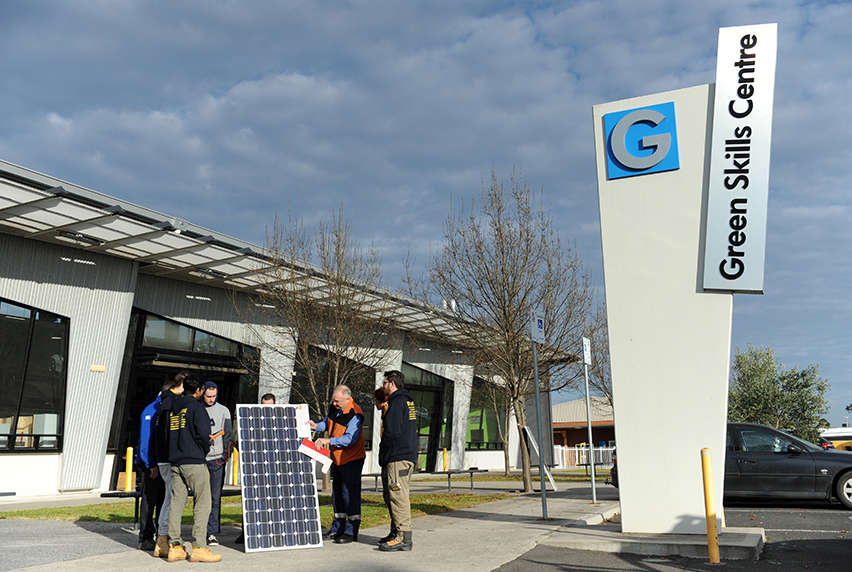
Melbourne Polytechnic is integrating sustainability across its campuses and training programs, as part of a broader effort to reduce emissions and prepare students for emerging jobs and opportunities in the clean economy.
The institute has transitioned most of its campuses to 100 per cent renewable electricity, as part of a broader push to cut emissions and prepare students for a low-carbon economy.
The move, delivered through the State Electricity Commission of Victoria (SEC), addresses the institution’s largest source of operational emissions - electricity used to power classrooms, specialist training facilities, commercial kitchens and performance spaces.
It comes as the education and training sector is increasingly ramping up efforts to reduce emissions while equipping students with skills for rapidly changing industries and the clean economy.
Chief Executive Frances Coppolillo said the shift marked a significant step towards the organisation’s target of net zero by 2040.
“At Melbourne Polytechnic, sustainability is embedded across everything we do - from the energy that powers our campuses to the way we train the next generation of workers.”
“We’re not only reducing our environmental footprint, but equipping students with the skills to participate in, and help drive, the transition to a clean economy.”
Alongside the transition to renewable electricity, Melbourne Polytechnic is implementing a range of initiatives to reduce emissions and embed sustainability across its campuses, curriculum and operations, including:
- On-site solar and efficiency: expanding rooftop solar PV (photovoltaic) systems, alongside LED lighting upgrades and building optimisation to improve energy performance.
- Clean economy training and research: delivering programs in renewables, electrification, sustainable and prefabricated housing, and circular design through skills labs and centres of excellence
- Fleet electrification: progressing the transition to electric vehicles (EV) and trialling EV charging infrastructure.
- Waste and water reduction: reducing resource use through recycling, reuse initiatives and sustainable landscaping practices.
In 2025, the institute also reopened its Collingwood campus as Victoria’s first fully electric TAFE, replacing gas systems with electric alternatives and prioritising adaptive reuse to minimise construction emissions and waste.
Sustainability is also being integrated into teaching, with campuses increasingly operating as “living laboratories”. Students are gaining hands-on experience through projects such as composting systems and food waste reduction, aligning their training with the needs of the clean economy.
Together, these initiatives reflect a broader shift across the vocational education sector, as providers work to reduce their environmental footprint while preparing a future workforce for net zero.
The progress places Melbourne Polytechnic ahead of its Strategic Plan 2024–2028 target to reduce emissions by 50 per cent, which it surpassed at the end 2025 – achieving a 53.7 per cent reduction, as part of its longer-term goal of reaching net zero by 2040.