Circular economy in action: feeding local families in need
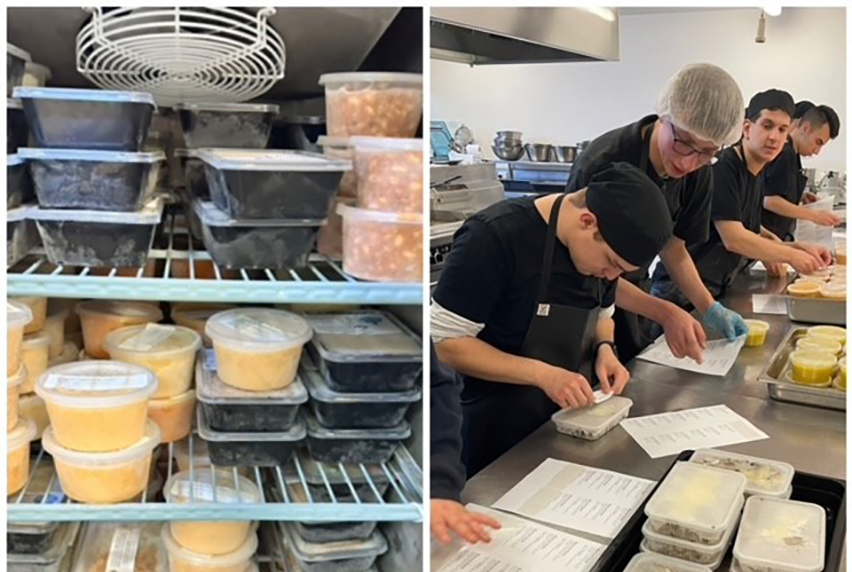
At Melbourne Polytechnic, we’re passionate about giving students real-world opportunities to develop skills in sustainability and the circular economy - and equally committed to supporting our local community. These values come together in our partnership with the Banyule Support and Information Centre (BANSIC) Food Hub, helping put meals on the tables of people facing food insecurity.
Over the past 3 years, this collaboration has transformed food donations that might otherwise go to waste into something meaningful: nutritious, ready-to-eat meals for local families doing it tough.
The initiative began when a Melbourne Polytechnic staff member volunteering at the BANSIC Food Hub noticed that many donations arrived in bulk, making it impractical for individuals or small families. From that simple observation came a big idea: what if we used our kitchen facilities to turn those ingredients into healthy meals? Better still, what if we involved our Work Education students - young people with intellectual disabilities, autism or cognitive impairments - giving them hands-on, practical experience and a chance to contribute to their community?
And that’s exactly what happened.
Every Thursday, staff collect a ‘mystery box’ of donated food from BANSIC. With the help of our Hospitality teachers and Work Education students, we sort the ingredients, plan recipes, cook in batches and package meals for freezing. These ready-to-eat meals are then returned to the Food Hub for distribution.
It’s a practical, sustainable example of the circular economy in action - finding new value in what might otherwise be wasted and using it to meet real needs.
For students, this isn’t just another class. It’s an opportunity to learn real hospitality skills in a real-world setting while giving back. They’re not just learning to cook, they’re learning teamwork, problem-solving, creativity and connection. Most importantly, they see the impact of their work.
Families in the Banyule area receive healthy, homemade meals ready to go - one less thing to worry about during tough times. This initiative builds stronger, more connected communities and shows what’s possible when education providers and community services work together. More than just reducing waste, it’s about inspiring students to contribute meaningfully to the circular economy and their communities.